Hiking & Physical Preparation for Grand Canyon Rafting
Know What to Expect Before You Reach the River
A Grand Canyon rafting trip is an active wilderness adventure. You do not need to be an elite athlete, but you should arrive prepared for uneven terrain, changing temperatures, climbing on and off rafts, walking through sand and rocks, and living outdoors for several days.
The amount of preparation you need depends heavily on the trip you choose.
Upper and Lower Canyon trips require a strenuous hike on the Bright Angel Trail to enter or leave the canyon. Full and Western Canyon trips avoid that required access hike, but guests still need sufficient mobility, balance, and endurance for rafting, camping, and optional side-canyon exploration.
Use this guide to understand the different physical demands and find the preparation information that applies to your trip.
Questions about which trip fits your activity level? Call 888-244-2224.
Find the Preparation Information You Need
Bright Angel Trail Hike Information
Required for Upper and Lower Canyon Trips
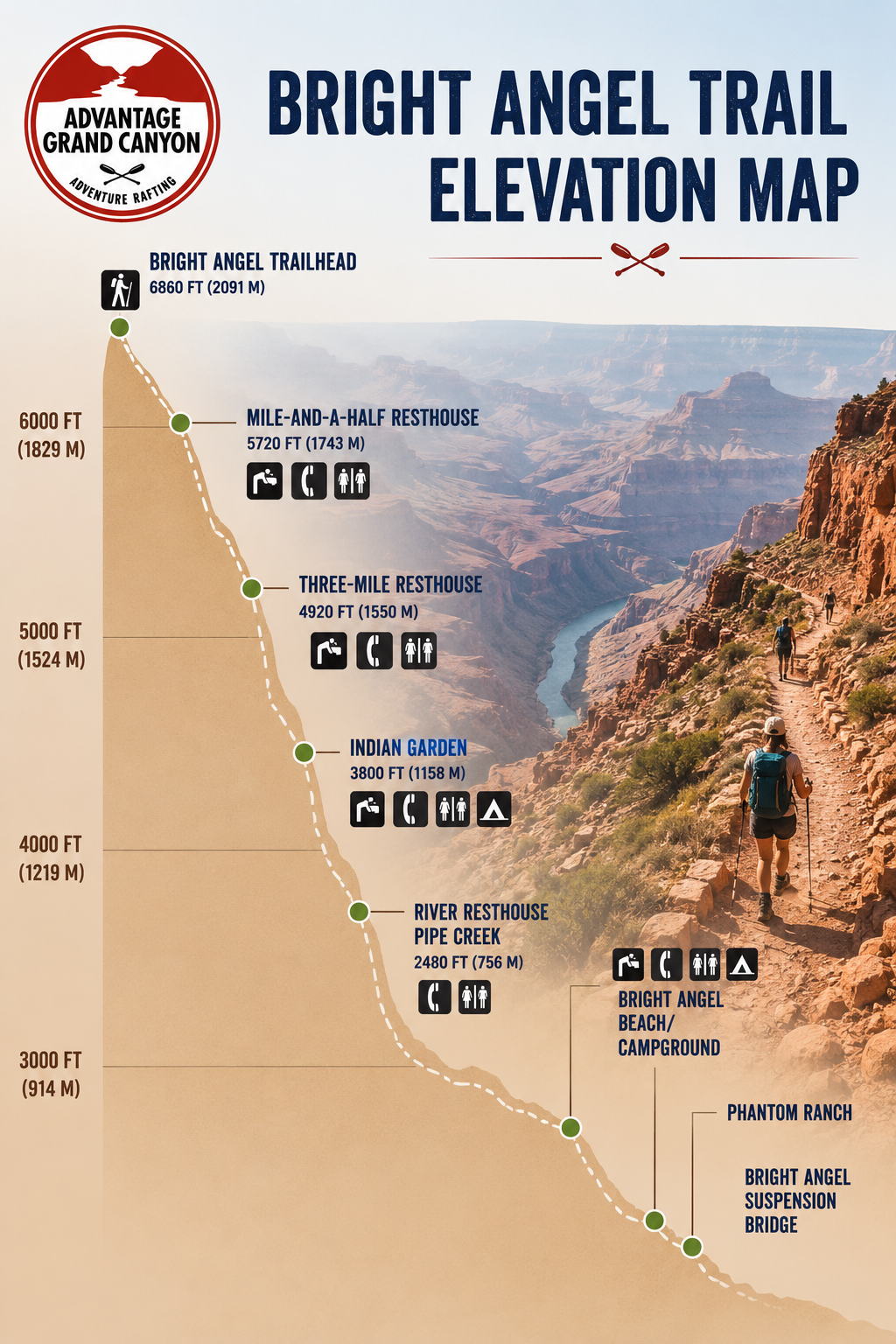
The Bright Angel Trail is not simply an optional activity added to an Upper or Lower Canyon rafting trip. It is how guests enter or leave the canyon.
Upper Canyon guests hike out from the river to the South Rim at the end of their trip.
Lower Canyon guests hike in from the South Rim to the river before rafting begins. Full Canyon and Western Canyon guests do not use the trail as part of their required trip access.
The hike involves substantial elevation change, steep grades, uneven terrain, limited shade, and potentially extreme temperatures. Preparation should begin well before your departure.
Learn about trail distance, elevation, water availability, recommended equipment, pack weight, training, and the differences between hiking uphill and downhill.
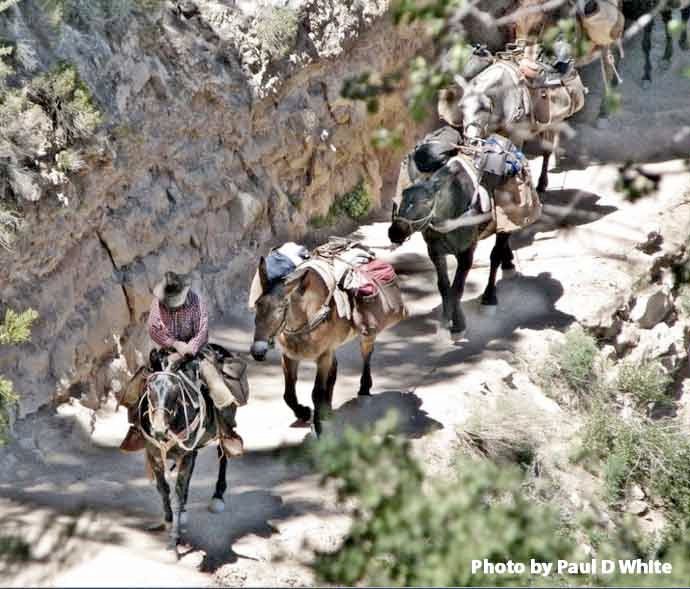
Some travelers hiking into or out of the canyon may be able to reserve mule service to transport a properly sized duffel between the South Rim and the river.
This allows the traveler to hike with a lighter daypack containing water, food, medications, sun protection, and other essentials.
However, mule and duffel service:
Is not available for every trip
Is not permitted by every outfitter
Varies according to trip direction and date
Has strict bag dimensions and weight limits
Requires advance arrangements
Should never be treated as guaranteed
Inbound service for some Lower Canyon trips may be available, while outbound service for Upper Canyon guests is much less common.
Every traveler should prepare physically and pack as though they may need to carry their own gear.
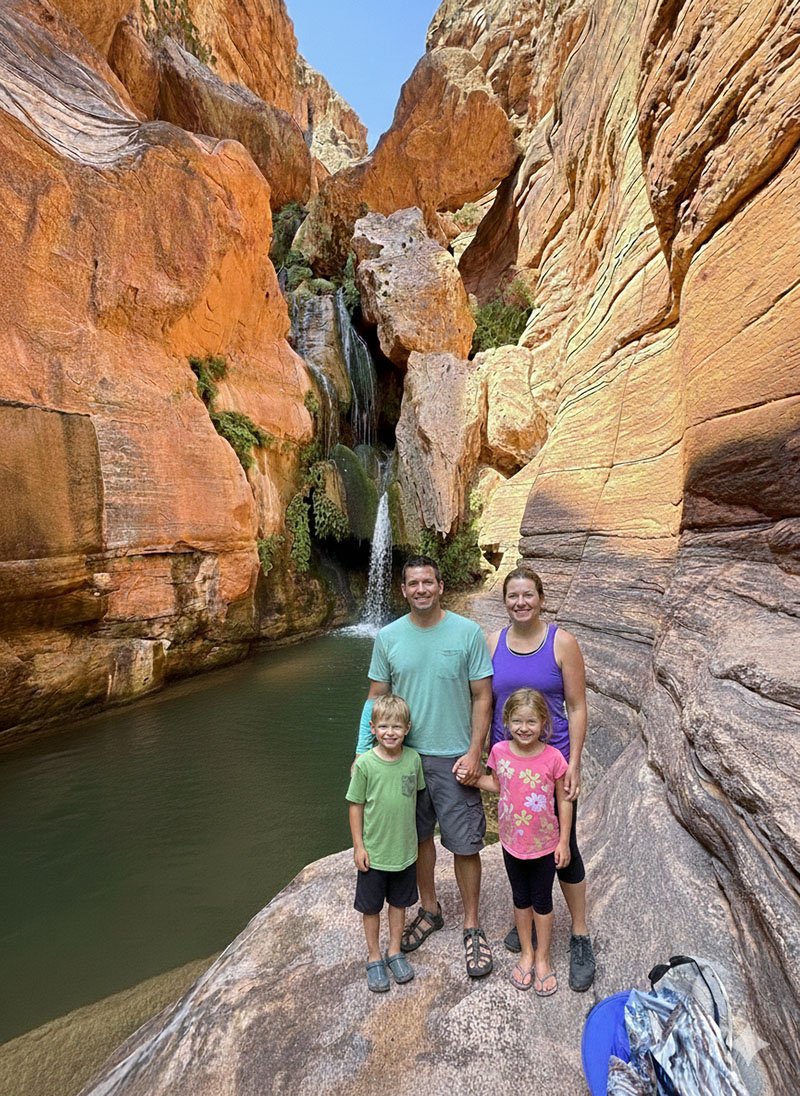
Some of the most memorable parts of a Grand Canyon rafting trip happen away from the raft.
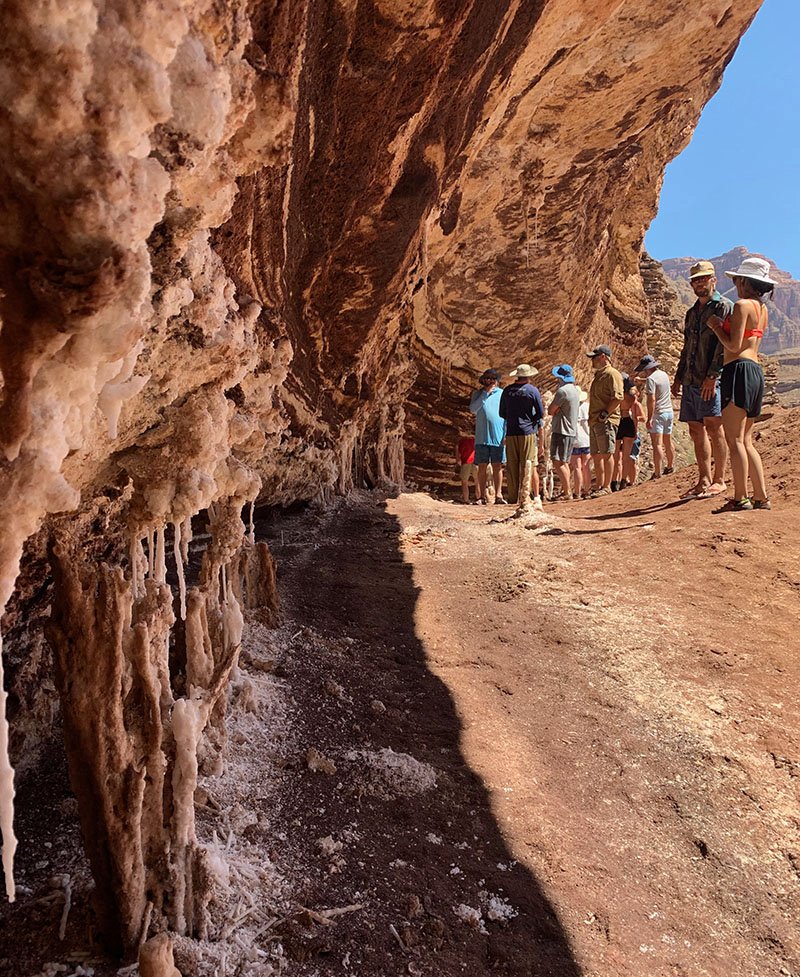
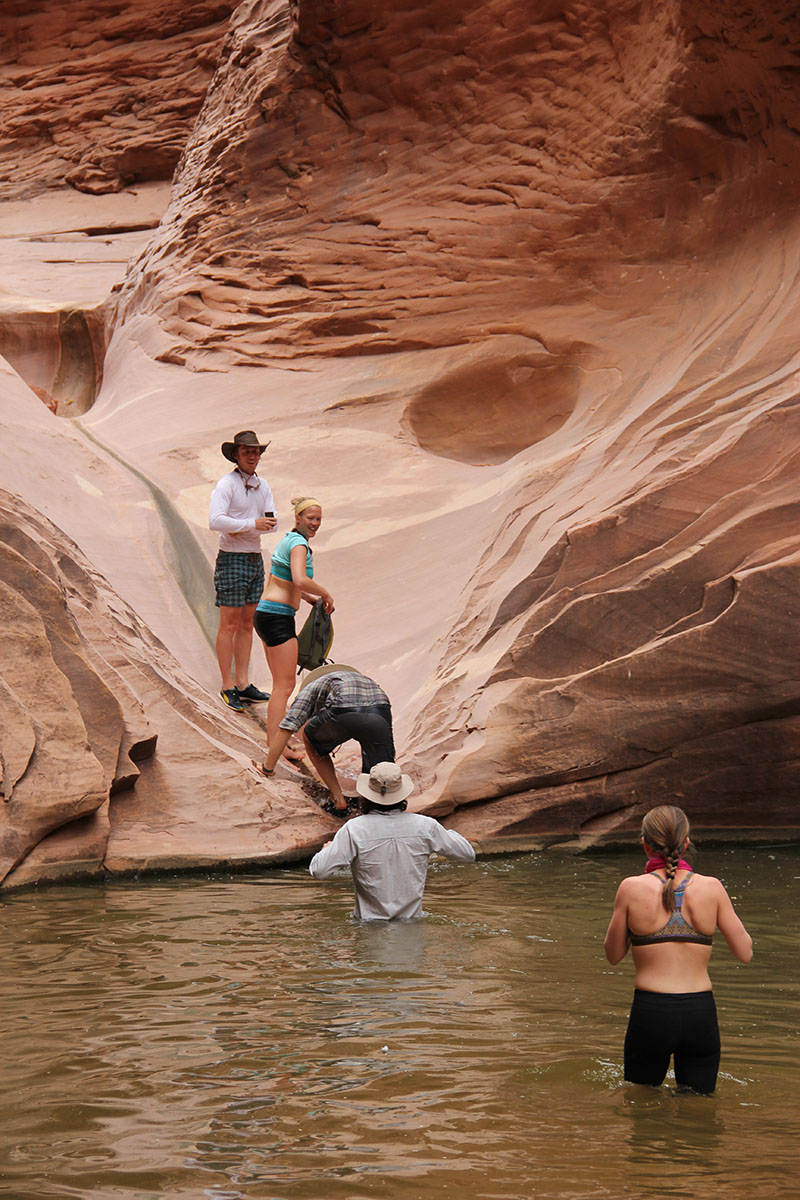
Depending on the route, weather, river conditions, and trip schedule, guides may lead optional hikes to waterfalls, slot canyons, historic sites, elevated viewpoints, swimming holes, and other hidden destinations.
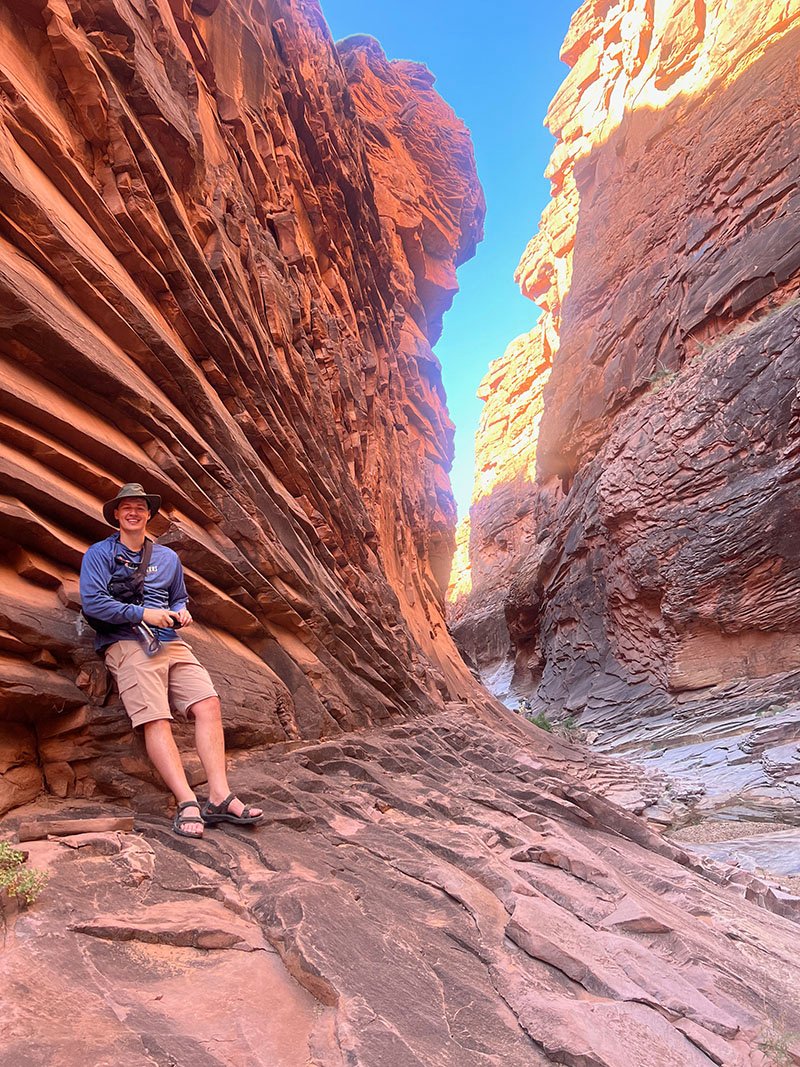
Side hikes vary considerably. One may be a relaxed walk along a sandy wash, while another may involve:
Stepping over large rocks
Crossing shallow streams
Scrambling over uneven surfaces
Walking along narrow or exposed terrain
Climbing short but steep sections
Spending several hours away from the raft
Guests can often decline an optional hike and remain near the rafts with a guide, but participating in side-canyon exploration is one of the best ways to experience places that cannot be seen from the river.
Even trips that avoid the Bright Angel Trail require a basic level of physical readiness.
Guests should generally be comfortable:
Walking on sand, loose rock, and uneven ground
Stepping into and out of moving rafts
Navigating wet and slippery surfaces
Carrying personal gear short distances
Sleeping outdoors
Handling heat, cold water, wind, and changing weather
Following guide instructions around camp and whitewater
Preparation is not only physical. A multi-day rafting trip also means being off-grid, sharing camps with a group, adjusting to early mornings, getting wet, dealing with sand and weather, and accepting that wilderness travel is not always predictable.
Our Trip Preparedness guide explains conditioning, mobility, medical considerations, medications, dietary concerns, mental preparation, and what everyday life on the river requires.
It is important to distinguish between the Bright Angel Trail and the side hikes offered during a rafting trip.
Hiking experience
Required?
Who it applies to
General purpose
Bright Angel Trail hike out
Yes
Upper Canyon guests
Exit the canyon after rafting
Bright Angel Trail hike in
Yes
Lower Canyon guests
Reach the river before rafting
Side canyon hikes
Usually optional
Offered on many routes
Explore waterfalls, viewpoints, historic sites, and hidden canyons
General camp movement
Part of every trip
All guests
Move between rafts, camp, sleeping areas, and meal areas
Choosing not to participate in an optional side hike is very different from being unable to complete the required Bright Angel Trail access hike.
Guests booking Upper or Lower Canyon trips must be physically capable of completing the required trail under the conditions expected during their travel season.
How Much Preparation Does Your Trip Require?
Full Canyon Trips
Full Canyon trips do not require the Bright Angel Trail because guests remain with the rafting trip through both the Upper and Lower Canyon.
The right preparation program depends on your route, current fitness, age, mobility, and medical history.
For most multi-day rafting trips, helpful preparation may include:
Regular walking or hiking
Stair climbing or incline treadmill training
Squats, step-ups, and other leg-strengthening exercises
Balance and mobility exercises
Walking on uneven outdoor terrain
Gradually increasing workout duration
Breaking in the shoes or sandals you will use
Travelers completing the Bright Angel Trail should follow a more structured training plan and practice sustained hiking with elevation gain or loss.
Do not rely entirely on gym equipment. Whenever possible, include outdoor walking on hills, stairs, rocks, or uneven trails.
Travelers with heart, respiratory, circulatory, joint, mobility, or other significant medical concerns should discuss the trip requirements with their healthcare provider and notify the outfitter before departure.
The most physically demanding trip is not automatically the best trip.
A well-matched rafting trip should fit your:
Available vacation time
Hiking ability
Preferred activity level
Comfort with camping
Rafting style
Medical considerations
Interest in optional hikes
Ability to manage heat and uneven terrain
Travelers who want to avoid the Bright Angel Trail can still experience an extensive multi-day adventure through a Full Canyon or Western Canyon itinerary.
Those who enjoy hiking and are properly prepared may find that the Bright Angel Trail adds a rewarding and memorable dimension to an Upper or Lower Canyon trip.
A: All trips involve some walking around camps and river access areas. Many also offer optional side hikes. Only Upper and Lower Canyon routes require the Bright Angel Trail as part of entering or leaving the canyon.
A: Side hikes are generally optional, although the available alternatives depend on the location and instructions of the trip leader. Guests should discuss mobility concerns with the outfitter before departure.
A: Mule service may reduce the weight you carry, but it does not reduce the trail distance, elevation change, heat, or uneven terrain. It is also limited and not available for every trip.
A: General conditioning should begin well before your departure. Travelers completing the Bright Angel Trail should allow sufficient time to gradually build hiking endurance, leg strength, and comfort carrying a pack.
A: Contact Advantage Grand Canyon before choosing a trip. We can help explain the differences among routes and identify options that better match your activity level and hiking preferences.
Hiking & Physical Preparation
Prepare for the Adventure Ahead
Good preparation does not remove the adventure—it allows you to enjoy more of it.
Understanding the required hiking, optional activities, pack requirements, and realities of river life will help you select the right trip and arrive with greater confidence.
Explore the detailed guides above, or tell our team about your dates, activity level, and travel preferences. We will help you compare suitable trips from all 16 Grand Canyon rafting outfitters.